
Coming Home to Tokomaru Bay: Solar Suitcase Education Expands to Tairāwhiti Kura
Over the last two years, Trust Tairāwhiti has funded kura (schools) across the Tairāwhiti (East Cape) region to install solar infrastructure that helps them meet their energy needs. This year, Kia Kotahi Ako has partnered with Trust Tairāwhiti to deliver the Solar Suitcase programme to four of these kura, supporting their solar installations with renewable energy education. In July 2026, Kia Kotahi Ako Co-Lead Nikora Ngaropo (Te Rarawa, Tūhoe, Ngāti Porou, Ngāpuhi, Ngāti Kahungunu) travelled to Hatea-ā-Rangi Primary School in Tokomaru Bay to meet with kaiako (teachers) and introduce them to our Solar Suitcase programme and the Capturing Te Rā (Capturing the Sun) curriculum that sits behind it.
“Tokomaru Bay is a small community, and the fact that I have whānau (family) connections there made this visit really beautiful,” Nikora says. “During our mihimihi (introductions), I mentioned I was from the area, and that my grandmother is buried up the road at Tuatini Marae. One of the mātua (parents) who was there sent a message out, and two of my aunties came down and surprised us; another one rang in on the phone.”
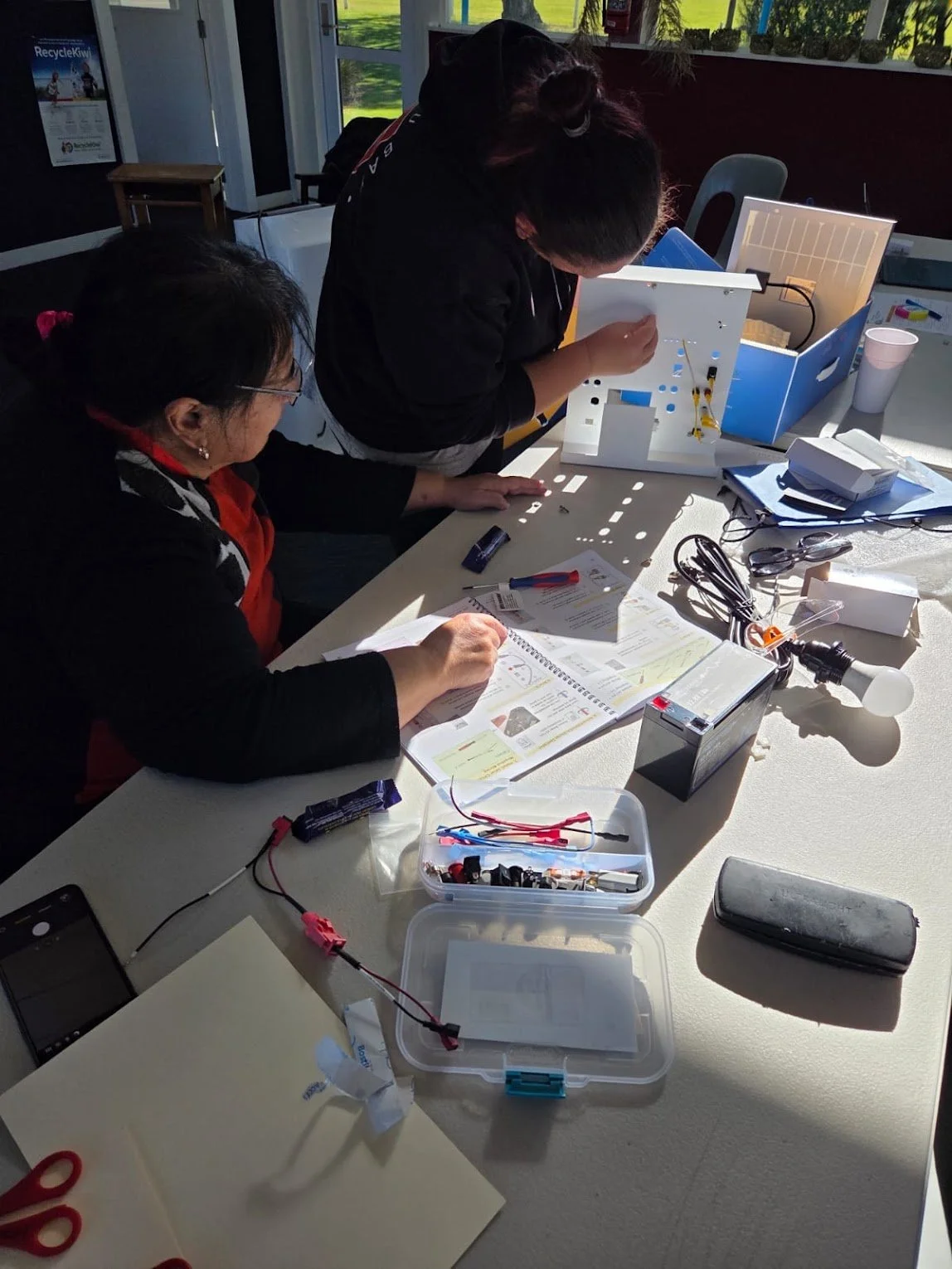
This warm reception marked the beginning of two days Nikora spent with kaiako at Hatea-ā-Rangi Primary School last month, introducing them to the Capturing Te Rā curriculum in preparation for it to be rolled out to tauira (students) later this year. “The idea is to ease teachers into it, not just throw them straight into assembling the solar suitcase kit. We take time to see how these tools can be incorporated into their community, how they operate, and what the effects of these technologies are. Through Trust Tairāwhiti funding and support, the kura we’re working with have been able to get solar arrays on their roofs, but they now need to build up the fundamental understanding around how their array can work best for them. Some of this is really straightforward stuff like the best times of day to use the solar system and get the most return out of that investment. Our role is to provide access to renewable energy understanding and the tools to apply it.”
Tairāwhiti, the first place on earth to see the sun rise each day, is uniquely suited for solar, and our generous funding partners at Trust Tairāwhiti have given Kia Kotahi Ako direct access to kura there that we might not otherwise have been able to connect with. “These are smaller communities that are actually quite isolated and vulnerable to both weather events and power interruptions,” Nikora says. “What Trust Tairāwhiti have enabled is something that’s worthwhile that can be utilised by communities, and they’ve come in behind us to help make those relationships work. Together, we are looking at ways to make the most impact in the region by exploring the types of opportunities that communities can own, not just education but embodying the curriculum.”
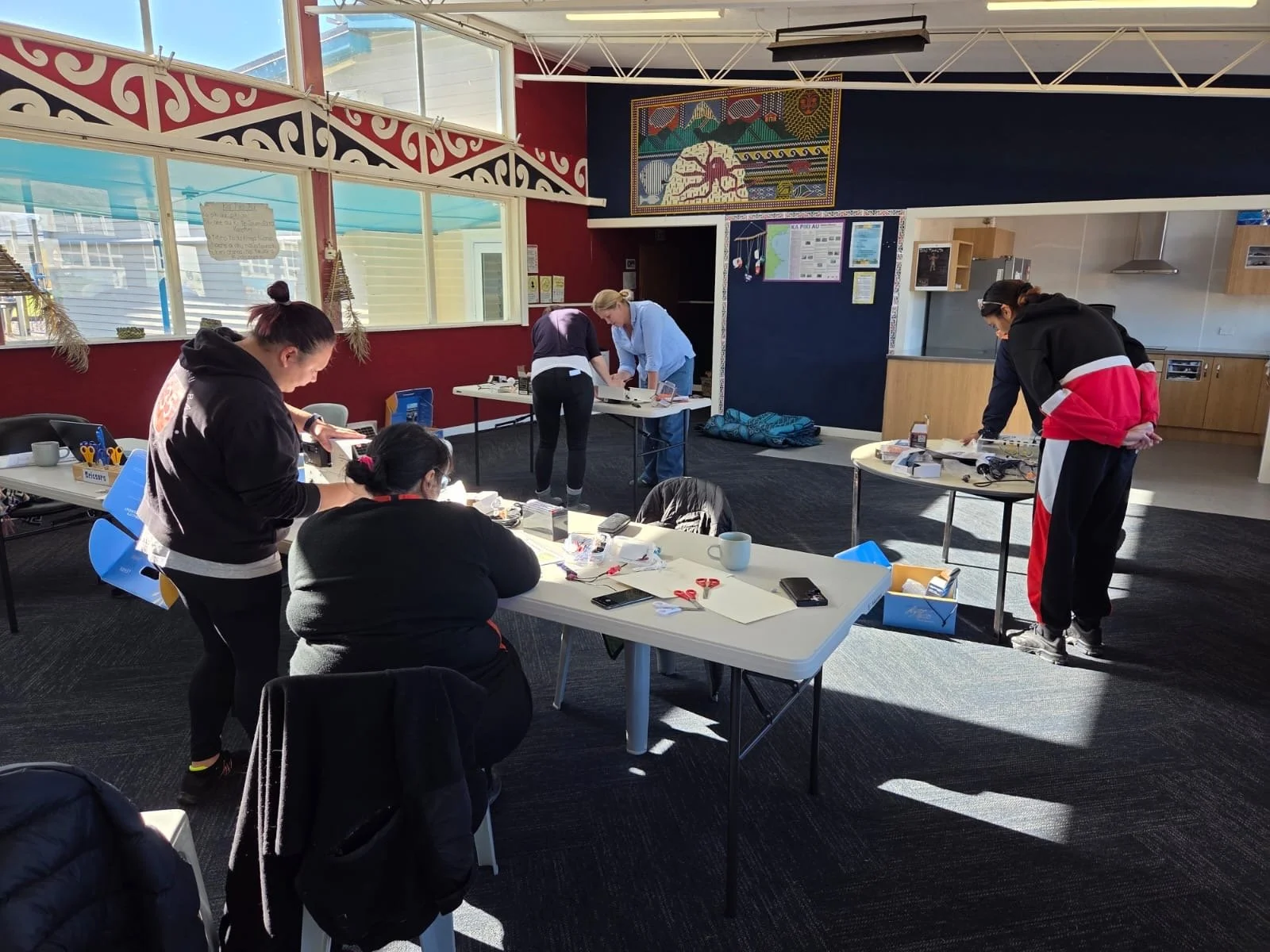
Practical, tailored uses of these technologies are the key to making meaningful impact, Nikora says. “Solar education and infrastructure are one thing. But having those pieces tie into relevant needs is how we engage communities and help them reach their long-term goals. At Hatea-ā-Rangi, for example, where the July training took place, they have a garden where they’d like to use some solar lights. It’s a simple, but powerful application that we can help them learn how to achieve. Both students and teachers, when they apply solar to real-world needs, their faces just light up. It’s a direct response to something they’ve created.”
The Solar Suitcase programme, taught through the lens of the Capturing Te Rā curriculum, focuses on hands-on learning opportunities that help break big concepts down into manageable components. “A power plant is just a large energy loop that starts in one place and goes all the way back around,” Nikora says. “Capturing Te Rā helps break those ideas down so that anyone can understand them. As we design resources for each of the kura that we’re working with, what we’re working towards is building understanding - not just the caretakers or staff, but through the student body as well.”
Nikora hopes to expand Kia Kotahi Ako mahi (work) in the region to include additional kura that haven’t yet had access to solar infrastructure and to incorporate other renewable energy and digital technologies into the education offering. “Solar is a great entry point because most people are familiar with it and, as an organisation, it’s a technology that we’re familiar with and passionate about. But what we’re moving towards is Indigenous energy and data sovereignty - how do we create our own energy, power our own communities, and build technological autonomy and resilience. Renewable energy is one part of that puzzle, a foundational piece, but not the only piece. I want us to be thinking about community as infrastructure.”